Understanding Clark County Fence Regulations: What Homeowners Need to Know


For homeowners in Clark County, understanding fence regulations is crucial when planning to install or modify a fence on your property. These regulations ensure safety, maintain neighborhood aesthetics, and help resolve potential disputes between neighbors. In this post, we'll guide you through the essential aspects of Clark County fence regulations.

Why Fence Regulations Matter
Fence regulations are designed to maintain community standards and safety. They help prevent conflicts by clearly defining property boundaries and ensuring that structures do not obstruct visibility for drivers or pedestrians. Additionally, these rules preserve the aesthetic appeal of neighborhoods, contributing to overall property values.
Violating these regulations can lead to fines, mandatory removal, or modifications of your fence. Therefore, understanding and adhering to these guidelines is not only beneficial but necessary for a smooth installation process.
Key Regulations to Consider
Height Restrictions
One of the primary considerations is the height of your fence. In residential areas, Clark County typically restricts fence heights to six feet in rear and side yards. However, front yard fences are usually limited to three or four feet. Always check with local authorities, as specifics can vary depending on your exact location.
Material and Design
The choice of materials and design can also be regulated. While wood and vinyl are common choices, some communities may have restrictions to preserve historical or aesthetic consistency. It’s advisable to consult with your Homeowners Association (HOA) if applicable, to ensure compliance.

Property Lines and Neighbor Agreements
Before installing a fence, it’s essential to determine your exact property lines. Hiring a professional surveyor can help prevent disputes. Additionally, discussing your plans with neighbors can lead to mutual agreements, particularly if the fence will be on a shared boundary.
Permit Requirements
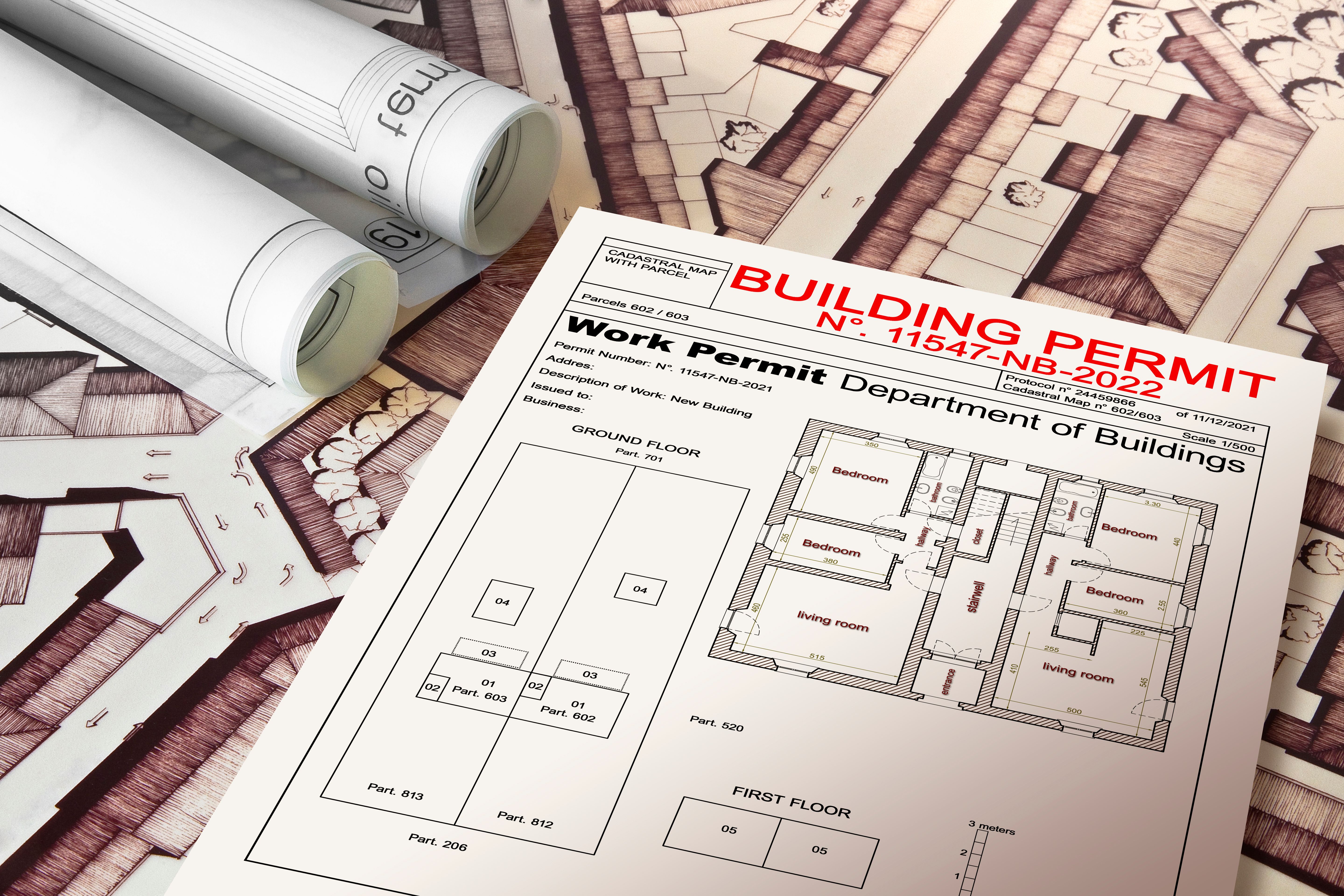
In many cases, a permit is required to erect a new fence. The application process typically involves submitting plans that detail the location, height, and materials of the proposed fence. Approval is essential before commencing construction to avoid any legal issues.
Check with the Clark County Building Department for specific permit requirements and fees. They can provide detailed guidance and ensure your project complies with local codes.
Common Exceptions and Variances
While most regulations are standardized, there are situations where exceptions or variances may be granted. For example, properties with unique topographies or those backing onto busy roads might receive permission for taller fences. Application for a variance typically involves a review process where the specific needs and circumstances are evaluated.
Understanding these nuances and preparing a solid case can increase the likelihood of obtaining a variance if necessary. Consulting with local authorities early in the planning process is always a wise step.
Conclusion
Understanding and adhering to Clark County fence regulations is a crucial step in your fence installation journey. By familiarizing yourself with height restrictions, material preferences, permit needs, and potential exceptions, you can ensure a smooth and compliant construction process. Always communicate with local authorities and neighbors to foster a harmonious community environment.