Understanding Local Regulations for Fence Installation in Clark County, WA


Introduction to Fence Regulations
If you're planning to install a fence in Clark County, WA, it's crucial to understand the local regulations that govern such projects. These rules ensure safety, compliance with community standards, and harmony with the environment. Starting your project without proper knowledge can lead to fines or the need to alter your fence.
Permits and Approvals
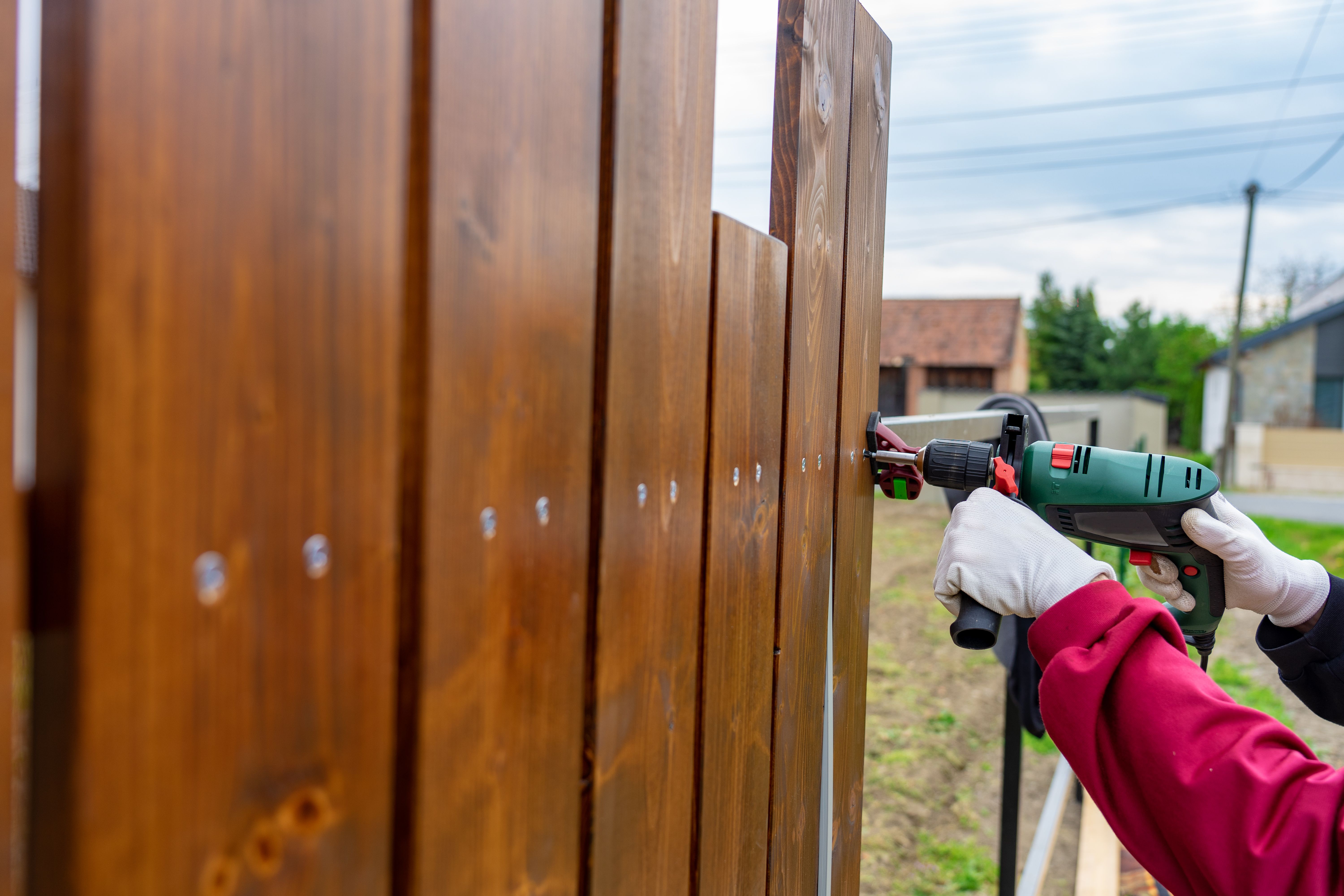
Before installing a fence, check if you need a permit. In Clark County, many types of fences require permits, especially if they exceed a certain height. Generally, fences over six feet tall need approval. Always consult with the local planning department to verify the specific requirements for your project.
When applying for a permit, you'll need a detailed site plan. This plan should include the location, dimensions, and materials of the proposed fence. Accurate documentation helps streamline the approval process.
Property Lines and Setbacks
Understanding property lines is essential when installing a fence. Erecting a fence on your neighbor's property can lead to disputes and potential legal action. It's advisable to have a surveyor confirm property boundaries before construction begins.
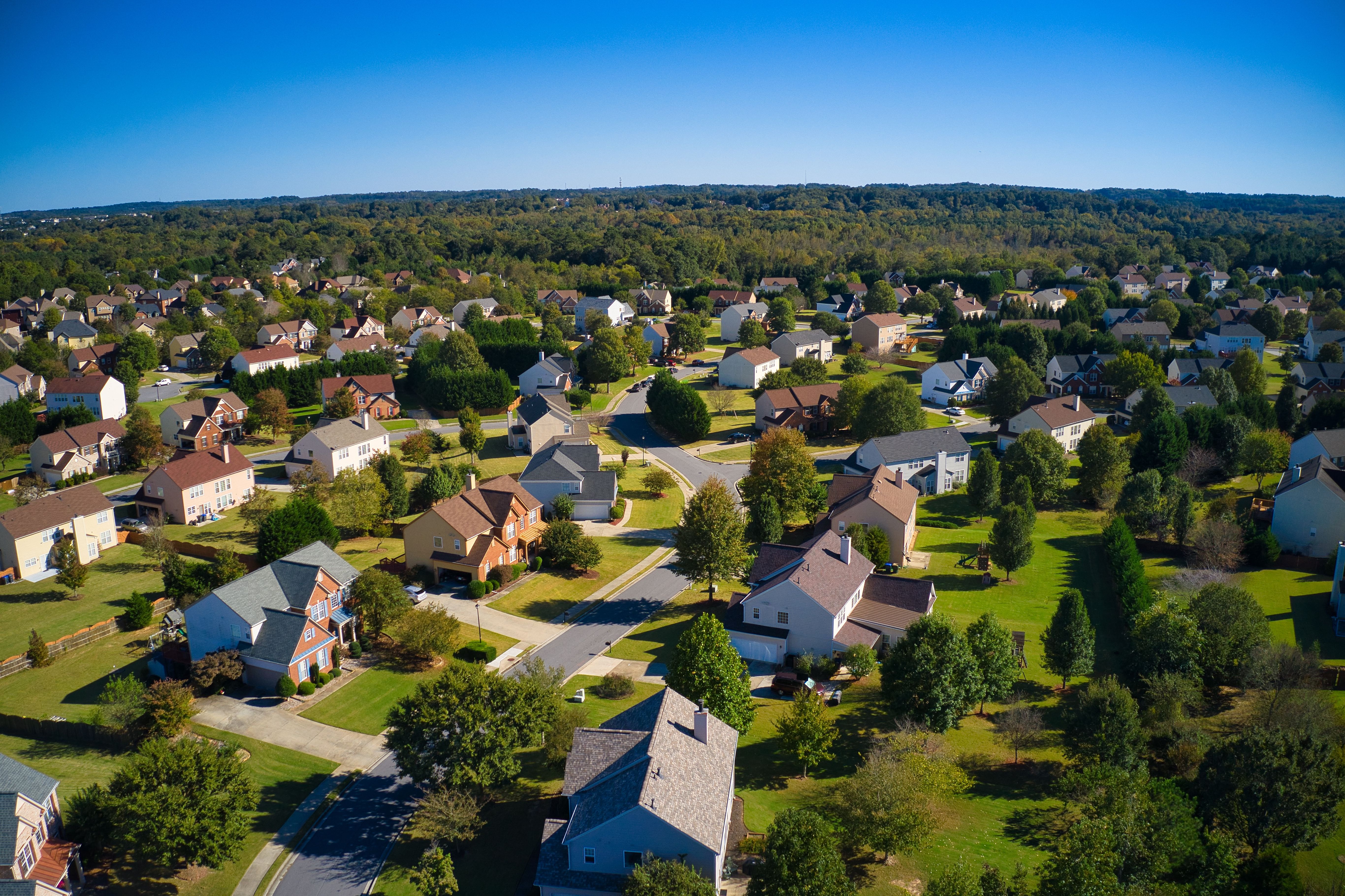
Setbacks, or the distance from the property line where building is prohibited, are another consideration. Clark County typically requires a setback for fences, especially if they are near roads or sidewalks. Check local codes to determine the necessary distance for your specific location.
Height and Material Restrictions
Clark County has specific rules about the height and materials of fences. While residential areas generally allow fences up to six feet, exceptions exist for certain zones or special circumstances. Materials should be durable and safe, avoiding hazardous elements like barbed wire in residential neighborhoods.
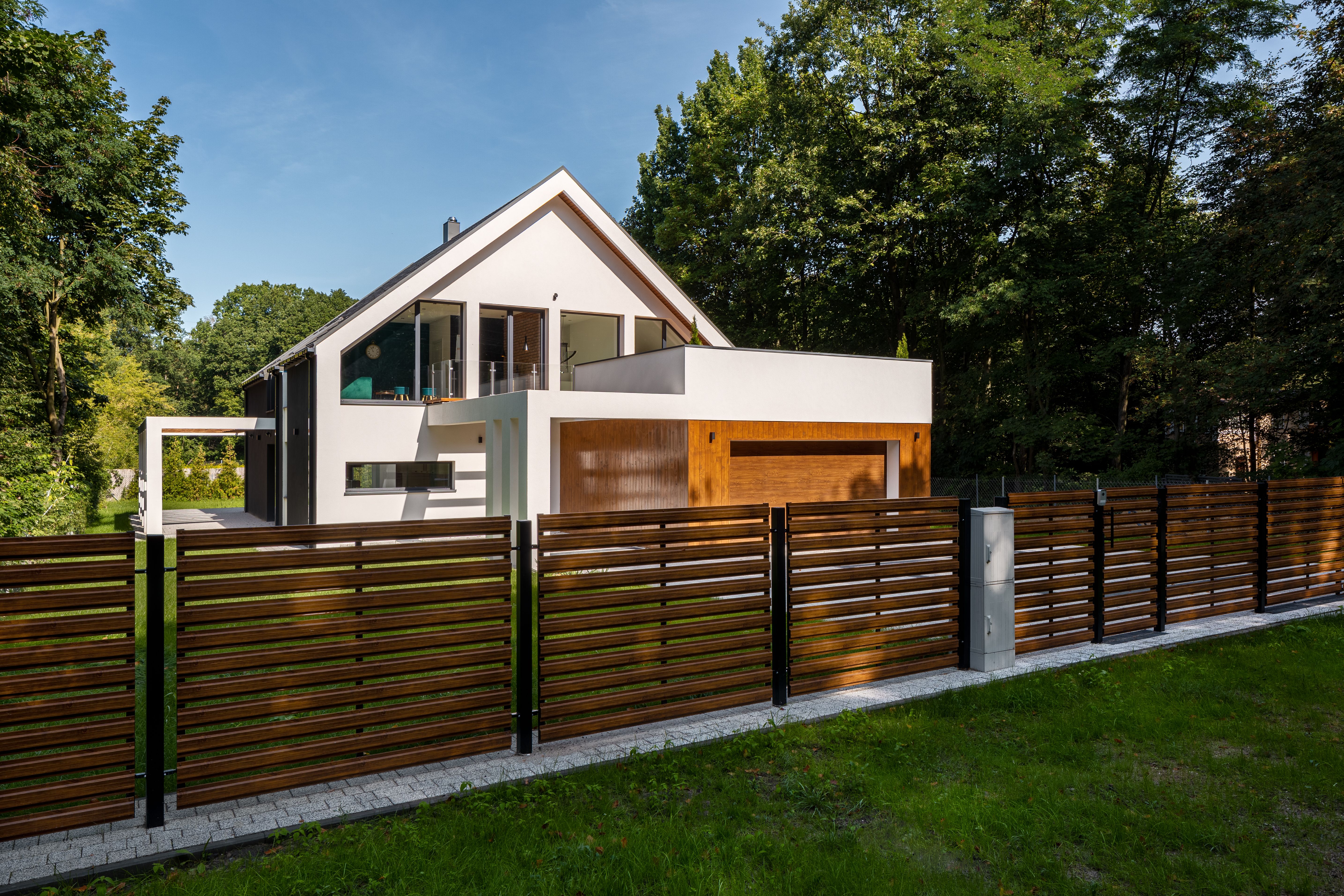
In some cases, decorative elements are encouraged to maintain community aesthetics. It's wise to review neighborhood covenants or homeowner association guidelines, if applicable.
Special Considerations
For properties near sensitive areas such as wetlands, additional regulations may apply. These requirements aim to protect the environment and maintain the balance of natural habitats. Consulting with environmental agencies can provide guidance on any additional measures needed.
Additionally, if you live in a historic district, your fence design may need to adhere to specific stylistic guidelines to preserve the area's character.
Conclusion
Understanding local regulations for fence installation in Clark County, WA, is crucial for a smooth and compliant project. By taking the time to learn about permits, property lines, setbacks, and material restrictions, you can avoid common pitfalls and ensure your fence enhances your property. Always consult with local authorities or professionals for the most accurate and personalized advice.